





Philippines Trade Update: Imports weaken on tepid demand
 DOWNLOAD
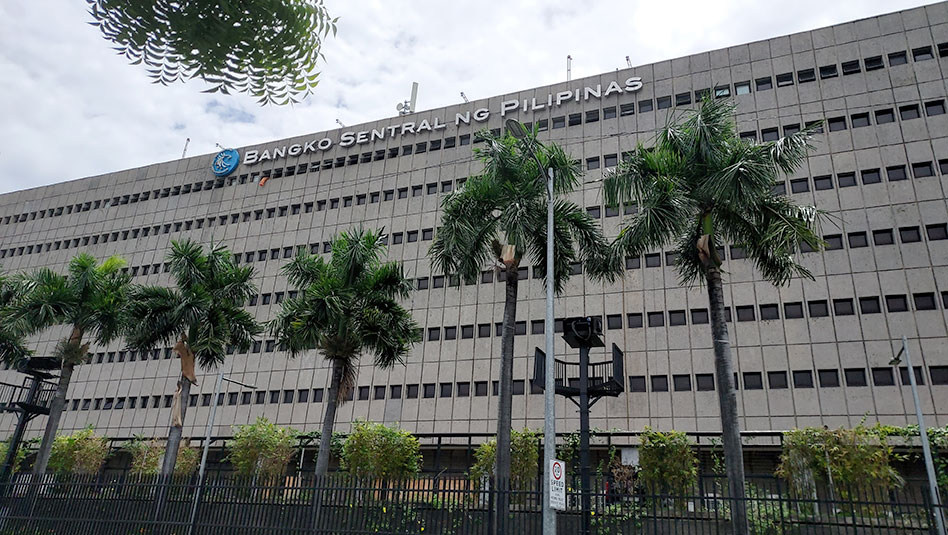
Policy Rate Updates: BSP outlook — cloudy with a chance of rate cut
DOWNLOAD
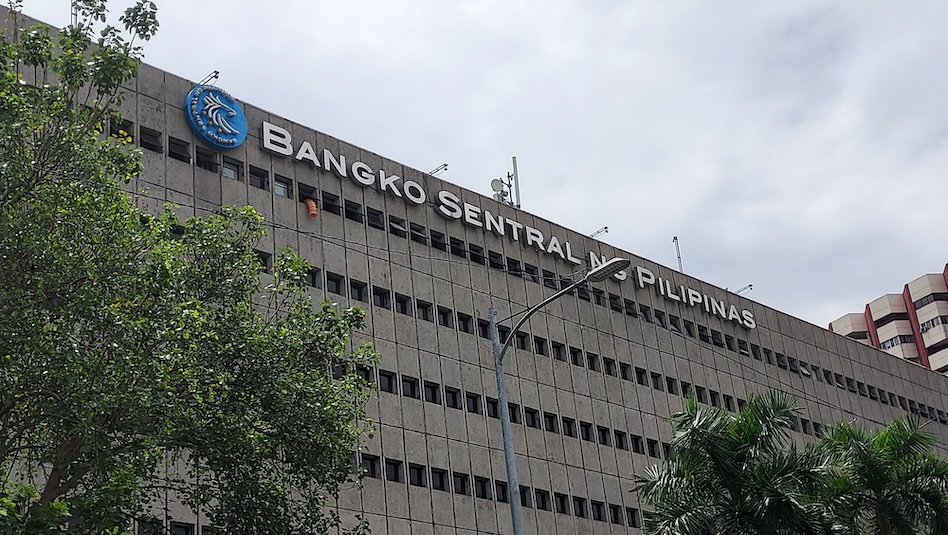
January Economic Update: Growth slows, prices rise
DOWNLOAD


PHL eyes up to USD 2.5B from dollar bonds
 By BusinessWorld


The government is looking to raise between USD 2 billion and USD 2.5 billion from an offering of US dollar-denominated global bonds, Finance Secretary Ralph G. Recto said in a text message on Wednesday.
In a statement late on Wednesday, the Bureau of the Treasury (BTr) said the Philippines began offering the triple tranche 5.5-year, 10.5-year, and 25-year sustainable US dollar global bonds.
“The Republic will partially allocate the 25-year Global Bond sale proceeds to assets under the Republic’s Sustainable Finance Framework,” the BTr said.
Moody’s Ratings said that the global bond offering will be benchmark-sized. A benchmark size for a dollar bond offering is USD 500 million.
Fitch Ratings assigned a “BBB” rating to the bonds, while Moody’s Ratings gave “Baa2” and S&P Global Ratings assigned “BBB+.” These mirror the Philippines’ issuer ratings.
Moody’s in a note said the bonds will be drawn from the Philippine government’s existing shelf program, which includes tranches maturing in 2030, 2035, and 2049.
“The proceeds from the bonds are intended for general purposes including budgetary support,” it said.
Moody’s said part of the tranche maturing in 2049 is “also intended for eligible projects under the Philippines’ Sustainable Finance Framework.”
“We think the demand for this will remain pretty solid considering that the outlook for the Philippines remains rosy given the improving fundamentals of the economy,” Bank of the Philippine Islands (BPI) Lead Economist Emilio S. Neri, Jr. said in a Viber message.
The government plans to borrow USD 5 billion this year, of which USD 2 billion was raised from the issuance of global bonds last May. This leaves USD 3 billion that has yet to be raised.
Mr. Recto previously said the government was also considering issuing Samurai bonds this year. The Philippines last issued Samurai bonds in April 2022, raising ¥70.1 billion.
“With easing monetary policy, many foreign firms can take advantage of the issue, especially the ones located locally. Selling these bonds will be in favor of the National Government (NG) because of the weak US dollar and declining interest rates,” Union Bank of the Philippines, Inc. Chief Economist Ruben Carlo O. Asuncion said in a Viber message.
The BSP cut benchmark interest rates for the first time in almost four years to mark the start of a “calibrated” easing cycle amid an improving inflation and economic outlook. The Monetary Board slashed the target reverse repurchase rate by 25 bps to 6.25% from an over-17-year high of 6.5%.
Rizal Commercial Banking Corp. Chief Economist Michael L. Ricafort said the timing of the offering is favorable.
“Relatively lower long-term interest rates that reduce the borrowing/financing costs of the NG amid appreciating peso exchange rate recently, thereby could reduce debt servicing of the NG,” he said in a Viber message.
The local unit closed at PHP 56.281 per dollar on Tuesday, strengthening by 5.2 centavos from its P56.333 finish last Thursday, Bankers Association of the Philippines data showed. This was the peso’s strongest finish in almost five months or since its PHP 56.255-per-dollar close on April 1.
Year to date, the peso has declined by 91.1 centavos from its PHP 56.281 finish on Dec. 23, 2023.
“Some investors are also locking in interest rates before the Fed and other central bank rates go down further in the coming months,” Mr. Ricafort said.
The US Federal Reserve is widely expected to begin cutting interest rates in September following Chairman Jerome H. Powell’s dovish stance last week.
Analysts also expect the BSP’s easing cycle to continue until next year, with at least 100 bps in rate cuts seen in 2025.
The government’s borrowing program is set at PHP 2.57 trillion this year, 20% of which will come from foreign sources.
The government borrows from external and local sources to fund a budget deficit capped at 5.6% of the gross domestic product. – Aaron Michael C. Sy, Reporter
This article originally appeared on bworldonline.com