




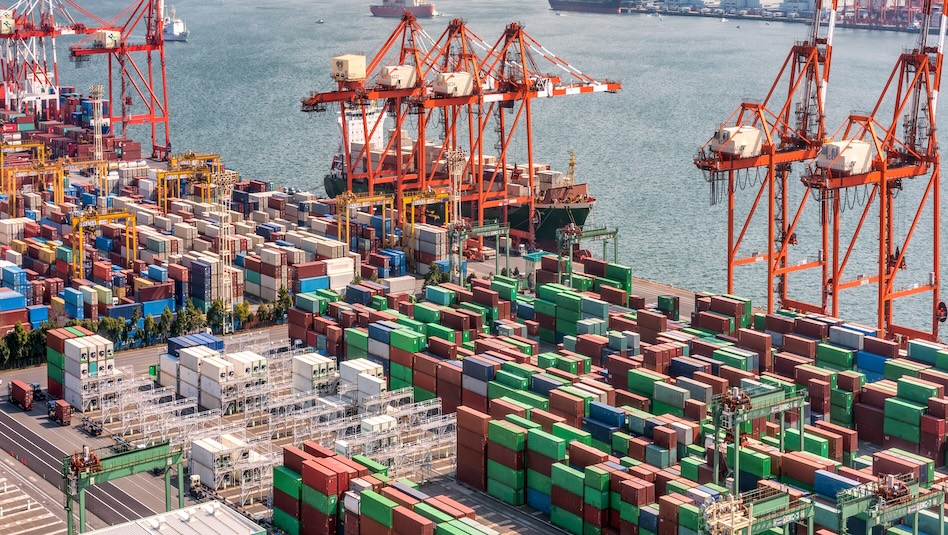
Philippines Trade Update: Imports weaken on tepid demand
 DOWNLOAD
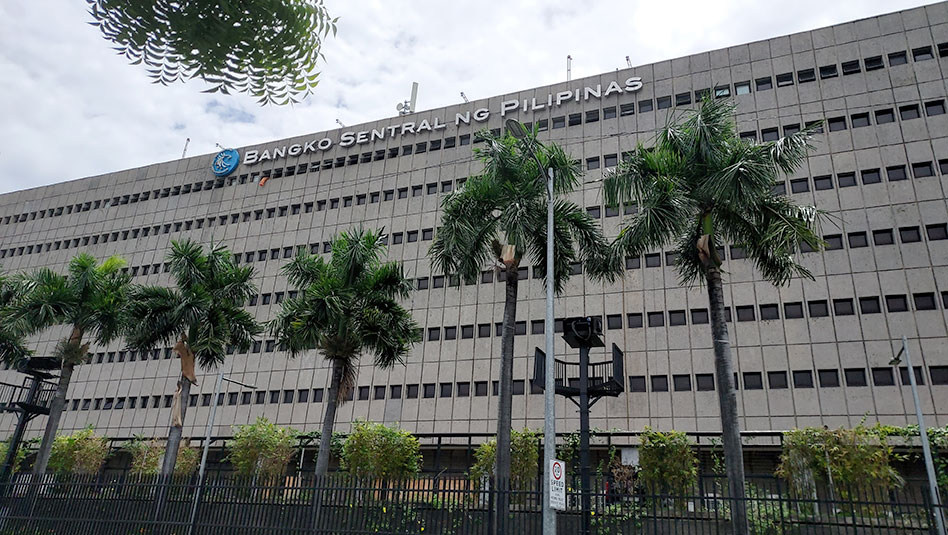
Policy Rate Updates: BSP outlook — cloudy with a chance of rate cut
DOWNLOAD
January Economic Update: Growth slows, prices rise
DOWNLOAD


BSP open to 25-bp hike in November
 By BusinessWorld
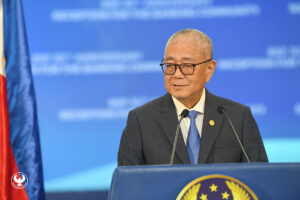


The Bangko Sentral ng Pilipinas (BSP) is open to increasing its key policy rate by 25 basis points (bps) at its meeting on Nov. 16, its governor said on Wednesday, after inflation accelerated for a second straight month in September.
BSP Governor Eli M. Remolona, Jr. told reporters higher borrowing costs have not affected Philippine economic growth, which may indicate there is still room for monetary tightening.
“I would not rule out a 25-basis-point rate hike,” he said.
The BSP has kept the benchmark interest rate at a near 16-year high of 6.25% at its last four meetings. It hiked borrowing costs by 425 bps from May 2022 to March 2023 to tame red-hot inflation.
Mr. Remolona said he is “not sure” if headline inflation would return to the 2-4% target within the year due to the “significant spike” in September.
“The core number went down a little bit, so that’s encouraging. For us, the core number is what reflects monetary policy. But the headline number could affect expectations and then we have to worry,” he said.
Headline inflation accelerated to 6.1% in September from 5.3% in August. This marked the 18th straight month that inflation exceeded the central bank’s 2-4% target.
In September, core inflation eased to 5.9% from 6.1% in August, but still faster than 5% a year earlier.
Year to date, inflation has averaged 6.6%, higher than 5.1% a year ago and still above the BSP’s revised 5.8% forecast for 2023. Year to date, core inflation has averaged 7.2%.
“The upside risk that we feared, some of them have materialized already. One thing we were worried about is transport fare hikes and that has happened. I wouldn’t say that we’re done with the tightening,” Mr. Remolona said.
The Land Transportation Franchising and Regulatory Board has approved a PHP 1 provisional jeepney fare increase nationwide, which took effect on Oct. 8. The minimum fares for traditional and modern jeepneys are now PHP 13 and PHP 15, respectively.
“So far, we think it hasn’t really affected our growth prospects. We’re watching that very, very carefully,” Mr. Remolona said.
“We try not to affect growth prospects, what we try to do is relieve pressure from the demand side that is leading to inflation without affecting the growth prospects,” he added.
The Philippine economy grew by 4.3% in the second quarter, its slowest expansion in more than two years, mainly due to weaker consumption and a drop in government spending.
For the first half, GDP growth averaged 5.3%. The economy has to expand by 6.6% in the second half to meet the government’s 6-7% target.
Third-quarter GDP data will be released on Nov. 9.
Meanwhile, Security Bank Corp. Chief Economist Robert Dan J. Roces in a Viber message said it is unlikely that inflation would return to the BSP’s 2-4% target range by the end of the year.
Security Bank has raised its inflation forecast this year to 6.1% from 5.6%.
“This sets the risk for the BSP to potentially hike interest rates, possibly before the next scheduled meeting on Nov. 16. A rate hike could aim to dampen inflation but might also slow down economic activity, but we do not think an off-cycle hike will take place,” he said.
Mr. Roces noted that “critical decision points” for the central bank at its next meeting will be the foreign exchange scenario, the US Federal Reserve’s next policy meeting, October inflation data, and third-quarter GDP data.
“As such we retain our 6.25% policy rate outlook for end-of-year 2023 yet recognizing the upside risks,” he added.
Risk to stability
Meanwhile, Mr. Remolona said the Philippine banking system is “in very good shape.”
“When you look at the usual regulatory measures, capital, liquidity, these things are well above (regulatory requirements). Even so, that doesn’t ensure that there is no systemic risk,” he said.
The BSP chief noted some major corporations have elevated debt levels, which may pose a risk to the country’s financial stability.
“There’s some risk that some of them may not be able to pay off their loans. But so far, it’s very manageable. It’s something that we’re watching,” he said.
“We’re also making sure that should there be a need by the banks for emergency liquidity, we will be in a position to provide the emergency liquidity. Although we don’t see any need at the moment for [it],” he said.
The Philippines is in discussion with foreign central banks that are part of the Executive Meeting of East Asia Pacific when it comes to financial stability, the BSP chief said. — Keisha B. Ta-asan
This article originally appeared on bworldonline.com