





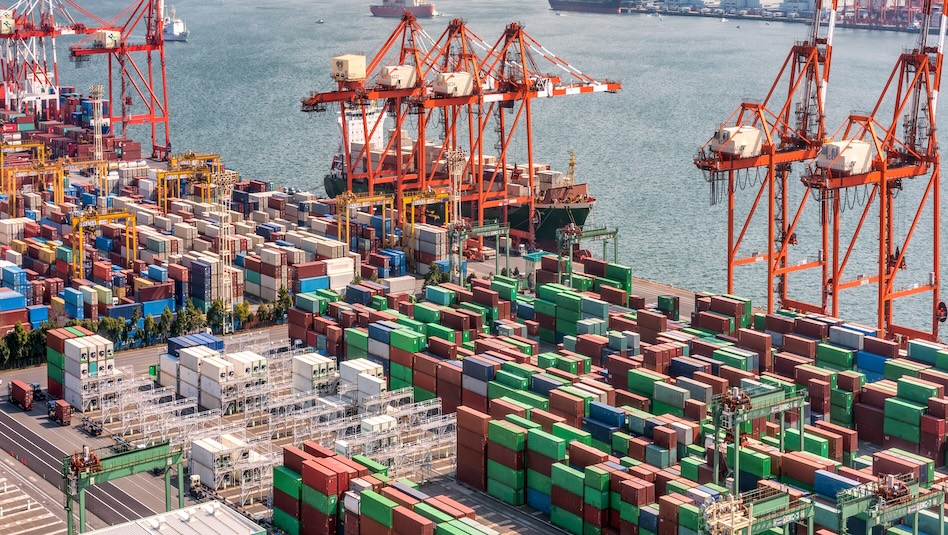
Philippines Trade Update: Imports weaken on tepid demand
 DOWNLOAD
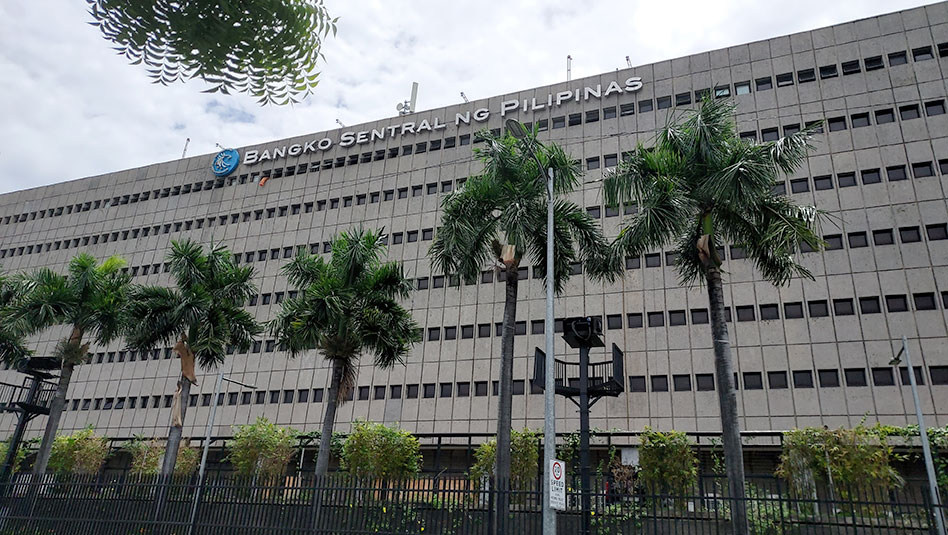
Policy Rate Updates: BSP outlook — cloudy with a chance of rate cut
DOWNLOAD
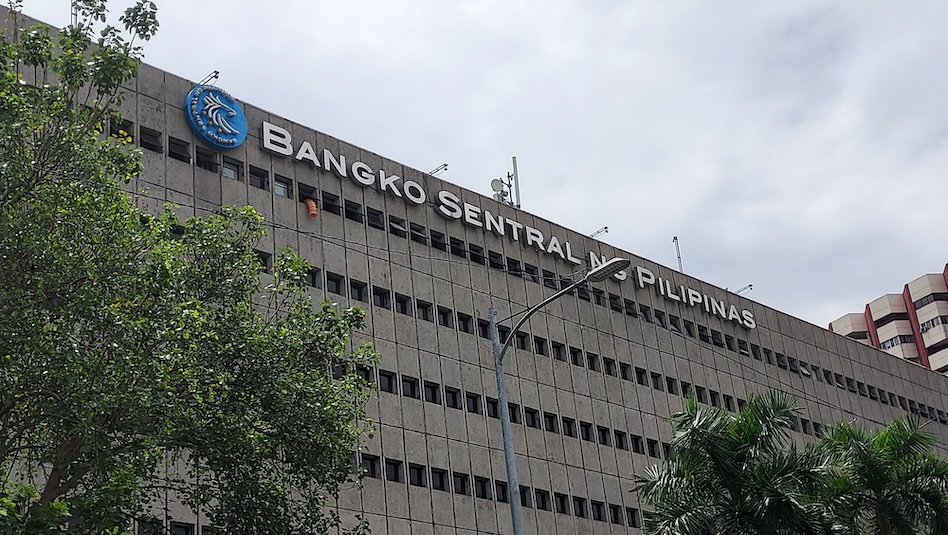
January Economic Update: Growth slows, prices rise
DOWNLOAD


BSP downshifts pace of rate hikes
 By BusinessWorld


THE BANGKO SENTRAL ng Pilipinas (BSP) on Thursday slowed its pace of monetary tightening as it raised its benchmark rate by 25 basis points (bps) and signaled a likely pause at its next meeting in May.
The Monetary Board increased the rate on the overnight reverse repurchase facility by 25 bps to 6.25%, as expected by 12 out of 14 analysts in a BusinessWorld poll last week.
Interest rates on the overnight deposit and lending facilities were also hiked by 25 bps to 5.75% and 6.75%, respectively.
Since May 2022, the central bank raised rates by a total of 425 bps, including 50 bps each at its last two meetings.
At 6.25%, this is the highest benchmark rate in nearly 16 years or since the 7.5% print in May 2007.
“With core inflation rising in February despite a modest decline in headline inflation, further monetary policy action was deemed necessary to address broadening price impulses emanating from robust domestic demand and lingering supply-side constraints,” BSP Governor Felipe M. Medalla said at a media briefing.
The central bank trimmed its average inflation forecast for 2023 to 6% from 6.1% previously. Still, this is beyond the BSP’s 2-4% target range, and faster than the 5.8% full-year inflation in 2022.
For 2024, the BSP also lowered its average inflation projection to 2.9% from 3.1% previously.
BSP Deputy Governor Francisco G. Dakila, Jr. said the downward adjustment to the inflation outlook was mainly due to the easing inflation in February and the gloomy global growth outlook.
Headline inflation slowed to 8.6% in February, from the 14-year high 8.7% in January. For the first two months of the year, inflation averaged 8.6%.
Core inflation, which factors out food and fuel volatile prices, jumped to 7.8% in February from 7.4% in January. This is the fastest core inflation print in over 22 years or since 8.2% in December 2000.
Mr. Medalla said risks to the inflation outlook remain heavily on the upside as supply shortages weigh on food prices. Price pressures may also broaden due to higher transport fares, electricity rates, and above-average wage hikes.
“Further policy tightening will also preserve the buffer against external spillovers amid heightened uncertainty and volatility emanating from financial sector distress in advanced economies,” he said.
According to Mr. Medalla, the Monetary Board made the decision to hike by 25 bps even before the US Federal Reserve’s announcement on Thursday morning (Manila time).
“In this particular case, the Fed decisions may be relevant but if we had a very bad turnout of inflation this month, then even if the Fed pauses, we may not,” he said.
The US Federal Reserve hiked the fed funds rate by 25 bps to 4.75-5% on Thursday and signaled that there may be more rate hikes to come. The Fed has now raised 475 bps since March 2022.
Following the BSP’s policy adjustment, the peso closed at PHP 54.27 versus the dollar, up 23 centavos from Wednesday’s PHP 54.50 finish, data from the Bankers Association of the Philippines’ website showed.
Pause in tightening?
Mr. Medalla said the Monetary Board will be data-dependent moving forward.
“Our action will be almost completely driven by our outlook on inflation… In the absence of new shocks, we think we are already moving in the right direction,” he said.
The BSP chief said if March inflation turns out better than expected and slowed even further than February’s 8.6%, the Monetary Board may no longer raise borrowing costs at its next meeting on May 18.
Also, Mr. Medalla said he expects Philippine economic growth to remain strong this year despite interest rates at a near 16-year high.
“Our own ‘nowcast’ is almost 7% (in the first quarter). On the other hand, our forecast for the year is about 6.5%,” he said. These projections are well-within the government’s 6-7% target for 2023.
“As we pointed out, one of the reasons that inflation spreads relatively quickly to other sectors, is that the other sectors actually are already facing very large demand,” Mr. Medalla said.
“That’s the reason the higher policy rate so far has not really been a major downer on growth. Demand is still quite strong especially in some sectors.”
He added that growth may slow by 2024, as pent-up demand begins to wane.
Pantheon Macroeconomics Chief Emerging Asia Economist Miguel Chanco said the BSP’s rate hike on Thursday may be the last in this cycle.
“Favorable base effects from last year’s price surge will take hold from this month, and we maintain that it’s only a matter of time before the Philippines starts to import the deflation in global food prices,” Mr. Chanco said.
The Monetary Board may cut policy rates by 50 bps as early as the fourth quarter this year if inflation returns to the 2-4% target, he added.
Gareth Leather, senior Asia economist of Capital Economics, said the Monetary Board may still raise interest rates by 25 bps on May 18.
“A key concern for the central bank is uncertainty in global financial markets. Although the peso has held up well so far, the country’s large current account deficit makes the Philippines vulnerable to sudden shifts in global risk aversion,” Mr. Leather said.
ING Bank N.V. Manila Senior Economist Nicholas Antonio T. Mapa said that if inflation sustains its downward trajectory, the central bank may even have room to lower the banks’ reserve requirement ratio (RRR).
The central bank targets to cut the RRR to single-digit levels by the end of the year.
The RRR for big banks is currently at 12%, one of the highest in the region. Reserve requirements for thrift and rural lenders are at 3% and 2%, respectively.
A cut in RRR is a move intended to be an operational adjustment to facilitate the BSP’s shift to market-based instruments for managing liquidity in the financial system, particularly the term deposit facility and the BSP securities. — By Keisha B. Ta-asan, Reporter
This article originally appeared on bworldonline.com