





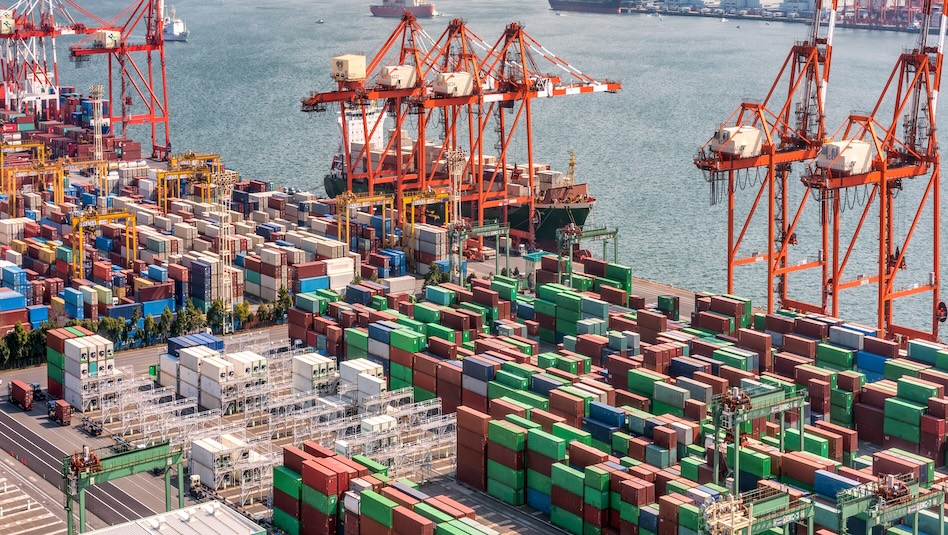
Philippines Trade Update: Imports weaken on tepid demand
 DOWNLOAD
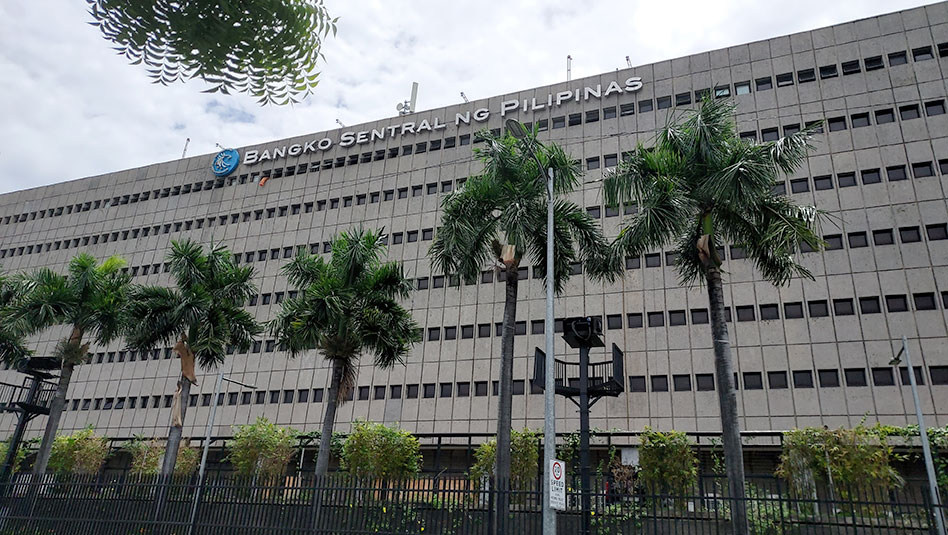
Policy Rate Updates: BSP outlook — cloudy with a chance of rate cut
DOWNLOAD

January Economic Update: Growth slows, prices rise
DOWNLOAD


AI could boost Philippine economy by PHP 1.8T
 By BusinessWorld



Artificial intelligence (AI) technologies can potentially boost the Philippine economy by PHP 1.8 trillion (around USD 31 billion), as Filipinos increasingly use AI for work and upskilling, according to a report by Google Philippines and consulting firm Public First.
If realized, this would result in a 7% increase in gross value added (GVA), and can possibly “lift our overall global standing,” Google and Public First said in its 2025 Economic Opportunity Report.
“With this new technology, it’s as if we’re adding a new growth engine, a new industry to the Philippines,” Gabriel Roxas, country marketing manager at Google Philippines and Vietnam, said at a news briefing on Tuesday.
The skills gained from AI can boost an average worker’s productivity by PHP 110,000 a year (about USD 2,000), according to the report.
Today’s AI technologies could potentially augment around 37% of workers, it added.
It could also save the average worker around three hours worth of administrative tasks in a week, freeing up their time for more productive and high-value chores, it said.
This would also boost workers’ wages by over 6%, according to the report.
To unlock the economic benefits of AI, companies must develop new workflows and invest in the necessary infrastructure to accelerate AI adoption in their operations, Mr. Roxas said.
“What’s even more significant is when artificial intelligence unlocks different kinds of services, products or businesses that aren’t even within the scope of what they’re currently doing, which is actually likely possible, because these are new frontiers or revenue streams that won’t be possible without the technology available,” he added.
AI should also be ingrained in accelerating economic development and growth, which would help accelerate scientific innovation and boost workers’ skills overall, he added.
Across the Philippines, AI adoption has been growing at a fast pace, driven by its young and mobile-first population.
In its report, Google and Public First noted that AI adoption is higher among the younger workforce, which bodes well for the Philippines as it has a median age of 26.
“We saw higher adoption rates among the younger workforce. So, that bodes well for us because these are people who are leaning into new technologies and eager to try it out,” Mr. Roxas said.
“We’ve gotten used to using smartphones, these devices for everyday productivity tasks,” he added. “All the more that it’s going to be easier to access artificial intelligence solutions on our mobile devices.”
AI can also boost productivity across traditional and emerging sectors, he said.
In particular, AI can help boost the growth of the wholesale and retail industry by PHP 410 billion (about USD 7.2 billion), which is equivalent to a 9% increase in GVA.
Wholesale and retail companies could use AI to improve their advertising, and quickly respond to consumer queries and requests, Mr. Roxas said.
“Of course, and maybe this is what we can encourage our Filipino businesses to do, is that AI can open up new markets for you to export to, especially the markets where they have a different language,” Mr. Roxas said.
The financial and insurance sector can also grow by PHP 300 billion (around USD 5.2 billion), increasing its GVA by 12%, if it adopts AI to create better product solutions and detect cases of fraud.
The report noted that AI can increase the GVA of the public administration and defense sector by 9%, reaping economic benefits of about PHP 109 billion (around USD 1.9 billion).
“AI can streamline a lot of frontline services as well, in terms of actually optimizing procurement, identifying bottlenecks, and catching fraud. But ultimately, the end vision here is for governments to actually personalize how they interact and solve the problems of each citizen,” Mr. Roxas noted.
Greater digital access can increase the overall economic impact of AI in the Philippines by PHP 37 billion, Google and Public First said, citing the importance of smartphones, connectivity, and digital infrastructure in achieving this.
AI can also address some of the country’s pressing issues, namely, cyberthreats and fraud, agriculture, and public sector challenges, Google and Public First said.
According to the report, AI-driven solutions can reduce about half of the costs (about PHP 80 billion) arising from cybersecurity threats and fraud.
By 2035, AI could also boost the productivity of the Philippines’ agriculture sector by about PHP 120 billion through satellite imagery, weather forecasts, and farm sensors.
Lastly, AI tools can increase the efficiency of the public sector by 5% by streamlining repetitive tasks, the report said.
“With artificial intelligence, you can automate highly repetitive tasks, so that the manpower of the government can focus on much more pressing issues,” Mr. Roxas noted.
The report, which included a survey of over 1,084 online adults based in the Philippines, said that 50% of respondents are using AI weekly in their personal lives.
It also noted that 76% of Filipino respondents said that they’re already using AI for work or intend to do so in the next 12 months.
“This tells us that it’s actually quite mainstream to leverage artificial intelligence,” Mr. Roxas said.
The Google and Public First survey noted that 87% of Filipinos have shown interest in using AI to learn a new skill.
This means they see AI as a partner or tutor that will help them make the most out of the available technologies, Mr. Roxas said.
About 88% of Filipinos are willing to engage in skills training to better take advantage of the benefits of AI, the report said.
With this, businesses and employees must meet halfway to find better ways to learn AI at a quicker pace, according to Mr. Roxas.
“What’s most important is for us is to come together as an ecosystem and as a community to drive education and learning. Because it’s not just about learning a technology, it’s about economic growth,” he said. — Beatriz Marie D. Cruz, Reporter
This article originally appeared on bworldonline.com