





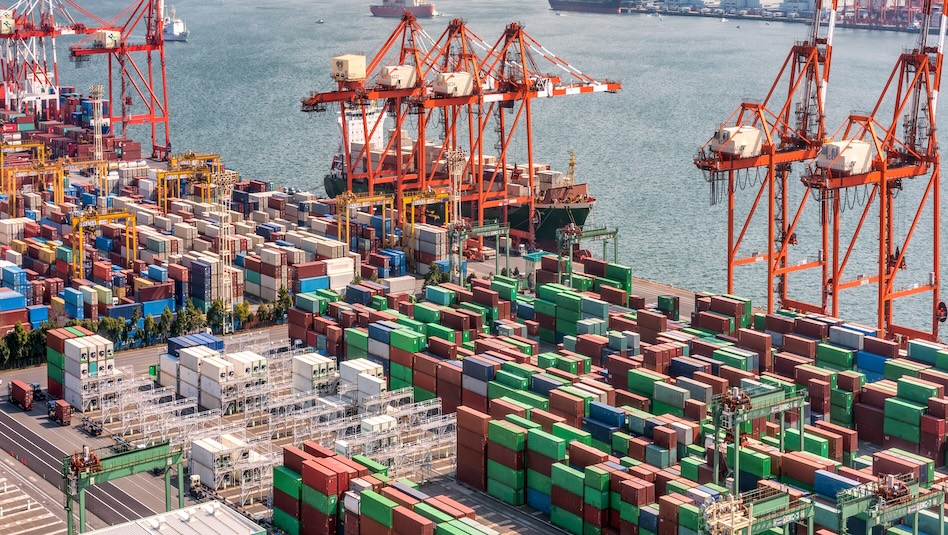
Philippines Trade Update: Imports weaken on tepid demand
 DOWNLOAD
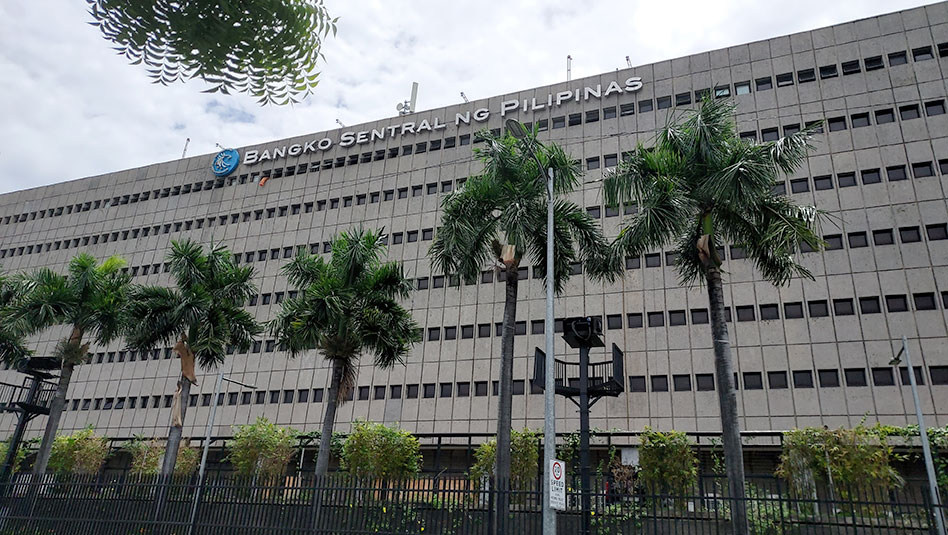
Policy Rate Updates: BSP outlook — cloudy with a chance of rate cut
DOWNLOAD
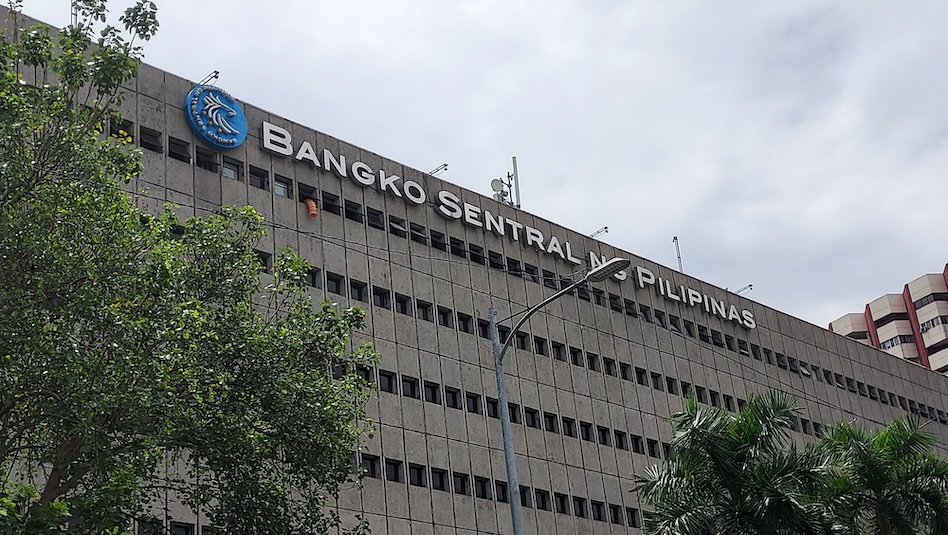
January Economic Update: Growth slows, prices rise
DOWNLOAD


Governments urged to impose a 2% minimum wealth tax on billionaires
 By BusinessWorld



Governments should impose a global minimum tax on billionaires, which could raise as much as USD 250 billion annually, according to a report by the EU Tax Observatory.
A 2% minimum wealth tax could generate as much as USD 17.3 billion (around PHP 983 billion) from 260 billionaires in South and Southeast Asia alone, the EU Tax Observatory said in the Global Tax Evasion Report 2024 released on Monday.
The 260 billionaires in South and Southeast Asia have a combined wealth of USD 991 billion and have paid around USD 2.5 billion in personal tax annually.
The EU Tax Observatory noted that tax evasion “including gray-zone evasion at the border of legality” is increasingly happening domestically.
Globally, billionaires have had “very low” personal effective tax rates ranging from 0% to 0.5% of their wealth, due to the frequent use of shell companies to avoid income taxes, it added.
“When expressed as a fraction of income and considering all taxes paid at all levels of government beyond personal taxes (including corporate taxes, consumption taxes, payroll taxes, etc.), the effective tax rates of billionaires appear significantly lower than those of all other groups of the population,” it added.
It also cited studies that showed that around 25% of global offshore financial wealth remains untaxed.
The EU Tax Observatory, an independent research laboratory, proposed a global minimum tax on billionaires, equal to 2% of their wealth which could raise nearly USD 250 billion from less than 3,000 individuals annually.
“Under this assumption, global billionaires pay around USD 44 billion in personal taxes today, about 0.35% of their wealth. A minimum tax that would bring their personal tax payments to 2% of wealth would thus add the equivalent of 1.65% of their wealth in tax. This minimum tax would generate USD 214 billion in government revenue globally,” it added.
In the Philippines, different versions of a wealth tax have been proposed in recent years.
Last year, the Makabayan bloc filed House Bill No. 258, which seeks to impose a 1-3% tax on the “super-rich” or people with net value of taxable assets exceeding P1 billion. It estimated the tax would raise PHP 236.7 billion annually from the 50 richest Filipinos.
ACT Teachers Party-list Representative and Deputy Minority Leader France L. Castro, who is one of the bill’s authors, said that the government should not hesitate to tax wealthy individuals.
“I think that the super-rich in the Philippines would themselves like to help the country, where they made their billions, to prosper and to assist in uplifting the lives of Filipinos if given the chance,” Ms. Castro said in a statement sent through Viber.
Meanwhile, Eleanor L. Roque, tax principal of P&A Grant Thornton, warned of the “unintended consequences” of a billionaire’s tax.
“I think only very few countries in the world impose a wealth tax. Wealthy individuals have shifted tax residences to escape wealth tax,” she said in a Viber message.
Philippine Chamber of Commerce and Industry (PCCI) President George T. Barcelon also said a wealth tax would be difficult to implement.
“I believe people in that category are already taxed, they have corresponding taxes from their companies, or they are taxed from their dividends. (The tax) would be an added layer. I think people would try to circumvent that by splitting their holdings to their heirs or other people, so they won’t be part of the billionaire’s (bracket),” he said in a phone call.
Ateneo de Manila University economics professor Leonardo A. Lanzona also noted that the wealth tax may not be as effective in the Philippines as most billionaires “engage in tax planning and mitigation strategies to legally reduce their tax liabilities.”
“This can include using trusts, tax-efficient investments, and other financial instruments. They may also decide not to reveal their wealth fully and engage in tax evasion. Hence, for wealth taxes to work, the necessary institutional reforms are needed to ensure that these billionaires pay their taxes truthfully,” he said in an e-mail.
PCCI’s Mr. Barcelon also noted that there would be a need to clarify what constitutes a “billionaire.”
“A billionaire in terms of peso, that’s quite small. It depends on what currency you’re talking about. A billionaire in (terms of) US dollar is quite big,” he said in mixed English and Filipino.
On the other hand, the billionaire’s tax could also be a means to address inequality, Mr. Lanzona said.
“As far as tax revenues go, the country is already scraping the bottom of the barrel through indirect taxes such as the value-added taxes and sin taxes. Imposing progressive wealth taxes offers an alternative source of revenue which is critical at the time when most of our loans are maturing in the short term,” he said.
A study by think tank Ibon Foundation earlier this year showed that a wealth tax on the country’s billionaires can generate P468.8 billion annually. — By Luisa Maria Jacinta C. Jocson, Reporter
This article originally appeared on bworldonline.com